
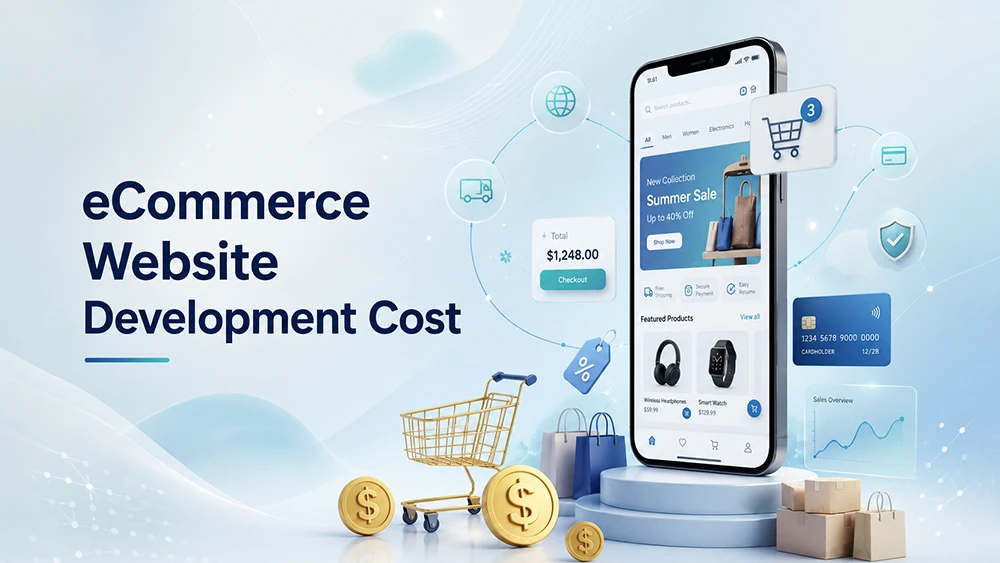
Building a digital storefront involves multiple technical components that affect the final eCommerce website development price. Development teams calculate project estimates based on workload complexity, design specifics, custom features, and structural requirements.
Website Size
The overall size and structure of your online store directly impact how much time engineers need to design, build, and test your site. Leading eCommerce development companies evaluate your store’s size to determine the exact technical architecture, database setup, and layout effort required for your project.
- Number of pages: A simple store with five core pages requires far less setup effort than an extensive web portal with hundreds of landing pages.
- Product catalog size: Expanding page structures to fit large product categories directly impacts database configuration and design timelines in India.
- Number of products: Managing 50 individual products requires minimal setup. Handling 500 items needs organized navigation menus, while hosting 10,000+ items requires powerful site architecture, bulk import tools, and smart search filters so customers can easily find what they want.
Platform Selection
The eCommerce platform you choose, and the pricing plan or package available within that platform, can significantly influence the overall eCommerce development cost.
Shopify:
A popular hosted platform where theme setups and store configurations are quick. Keep in mind that overall Shopify pricing includes recurring monthly plan fees and potential app costs alongside initial setup charges. For a broader breakdown of platform fees and other cost factors, Shopify also provides a comprehensive guide to eCommerce website costs.
WooCommerce:
An open-source plugin for WordPress offering extensive customization freedom. Costs depend on specialized hosting, premium plugin licenses, and developer customization hours in India.
Magento:
An enterprise-grade solution designed for massive catalogs and high transaction volumes. It requires specialized developer expertise, leading to higher initial build costs.
BigCommerce:
A robust SaaS platform providing powerful built-in features. It helps lower third-party app dependencies while keeping maintenance straightforward.
Custom Development:
Tailor-made frameworks built using modern web stacks. While offering complete flexibility without platform constraints, this route represents the highest upfront investment.
Design Complexity

The complexity of your web design plays a major role in determining the overall eCommerce website development cost. A professionally designed online store improves user experience and strengthens your brand, but custom layouts and interactive elements require additional design and development time.
- Theme customization: Modifying a pre-built template allows businesses in India to launch rapidly while keeping design expenditure low.
- Fully custom UI/UX: Crafting bespoke user interface layouts and unique user experiences from scratch requires extensive prototyping, design sprints, and custom frontend coding.
Custom Features
Advanced functional capabilities increase engineering hours and testing requirements:
- Product configurators: Interactive tools letting customers customize items in real time.
- Subscription systems: Recurring billing models for monthly box services or digital goods.
- Marketplace functionality: Dual sided platform architecture for multiple vendors and buyers.
- Multi vendor support: Dedicated dashboards for independent merchants to list and fulfill goods.
- B2B portals: Specialized client portals with tiered pricing, quick order forms, and credit terms.
Third-Party Integrations
Connecting external software streams streamlines operations but adds build complexity:
- CRM: Synchronizing customer data and communication history.
- ERP: Unifying enterprise resource planning with live inventory data in India.
- Accounting software: Automating tax calculations, sales recording, and ledger updates.
- Marketing tools: Connecting email automation platforms and conversion tracking tools.
- Inventory systems: Real time synchronization across warehouse channels.
- Shipping & logistics integrations: Automated rate calculators and tracking links for courier services.
- Multi language & multi currency support: Adapting currency formats and translated content for global shoppers.
Payment Gateway Requirements
Setting up a reliable payment gateway is crucial for converting site visitors into paying customers. Integrating secure payment processing systems requires implementing compliant checkout flows, SSL encryption layers, and transaction verification mechanisms to process credit cards, UPI, and digital wallets smoothly.
Mobile App Integration

Building native or hybrid mobile applications to complement your web store increases reach. The overall eCommerce mobile app development cost depends on chosen mobile operating systems, offline syncing features, push notification setups, and real time database connections.
Security Requirements
Protecting customer information requires SSL encryption certificates, PCI DSS compliance protocols, data firewall configurations, and regular vulnerability audits to keep online transactions safe.
SEO Requirements
Establishing a solid technical SEO foundation involves setting up clean URL architectures, optimized schema markup, XML sitemaps, fast loading speeds, and canonical tags to drive organic traffic across search engines in India.
Ongoing Maintenance
Long term store health requires budgeting for server hosting, security patches, software updates, and reliable tech support. Development agencies across major commercial centers in India, including Delhi, Mumbai, Pune, Bangalore, Chennai, Hyderabad, Kochi, Ahmedabad, and more, offer dedicated monthly retainer plans to handle routine site management, server optimization, and bug fixes.